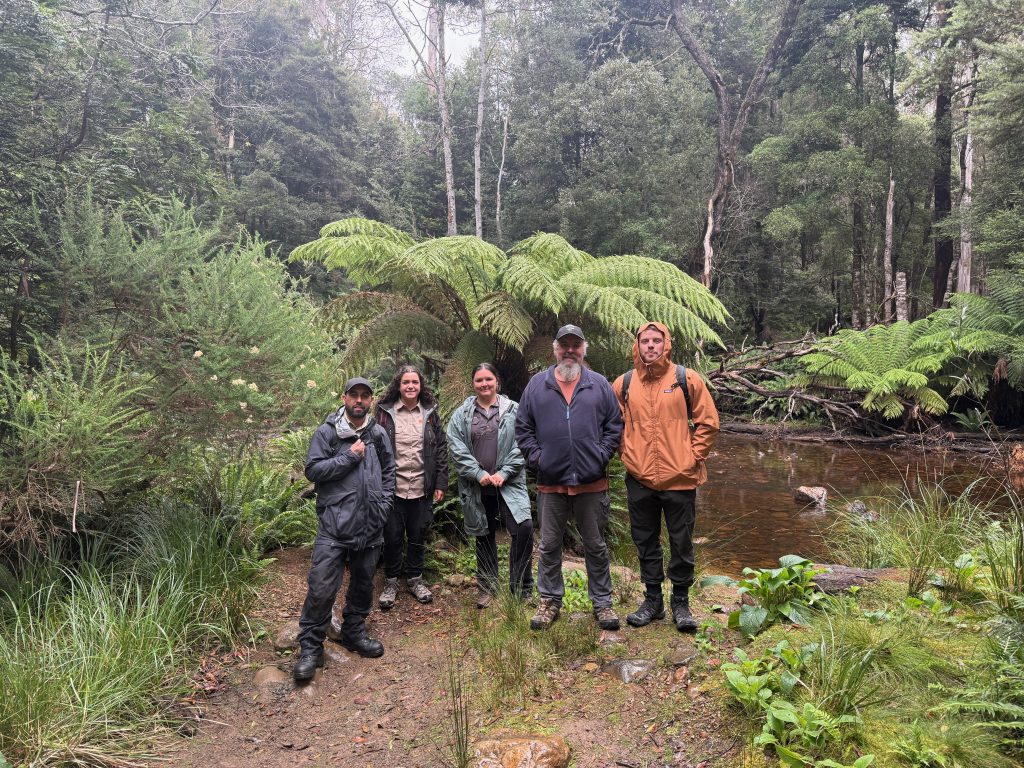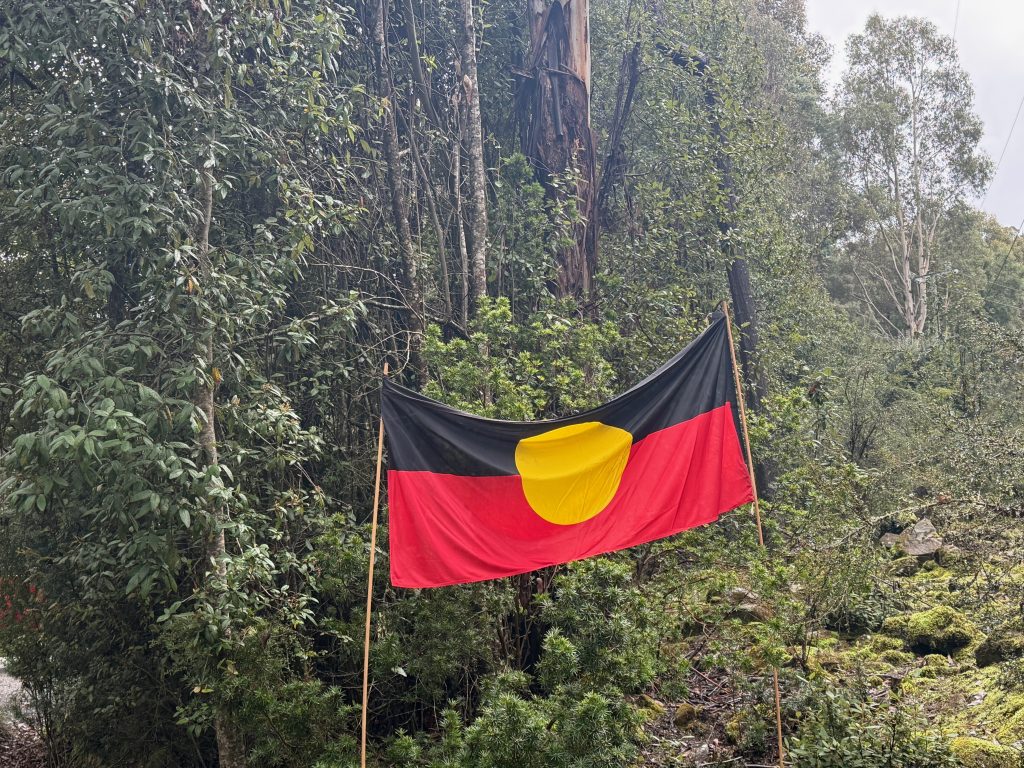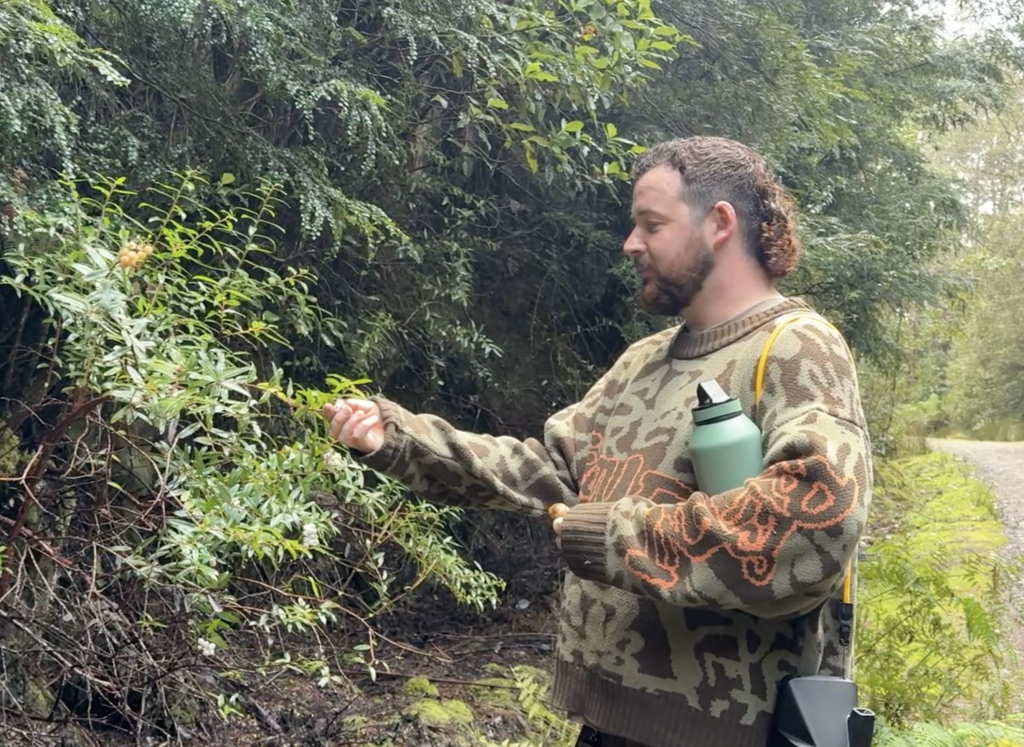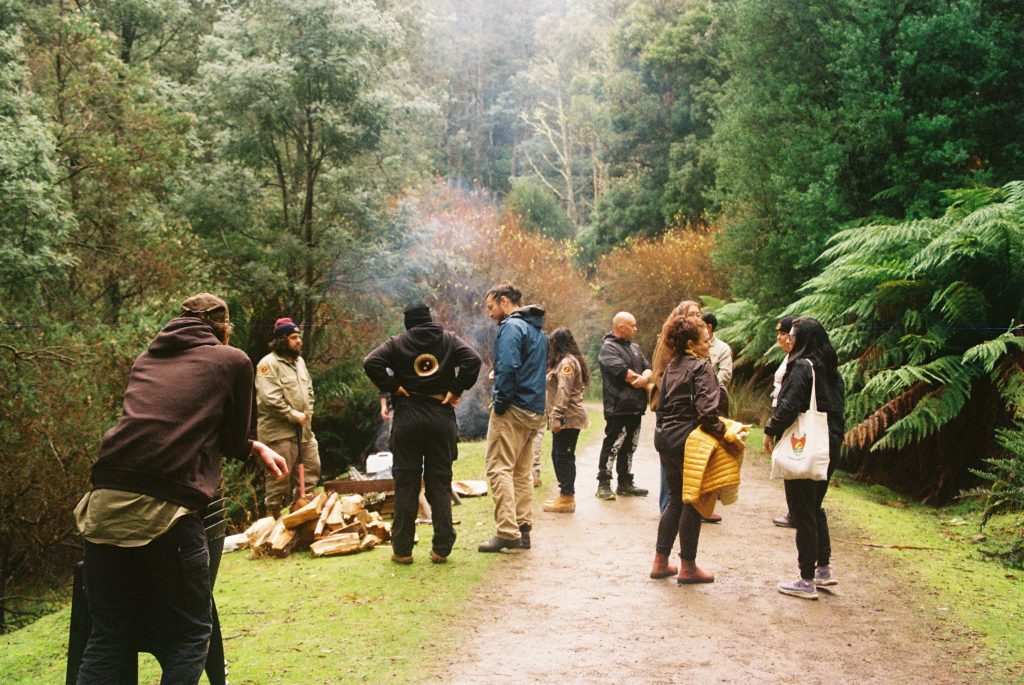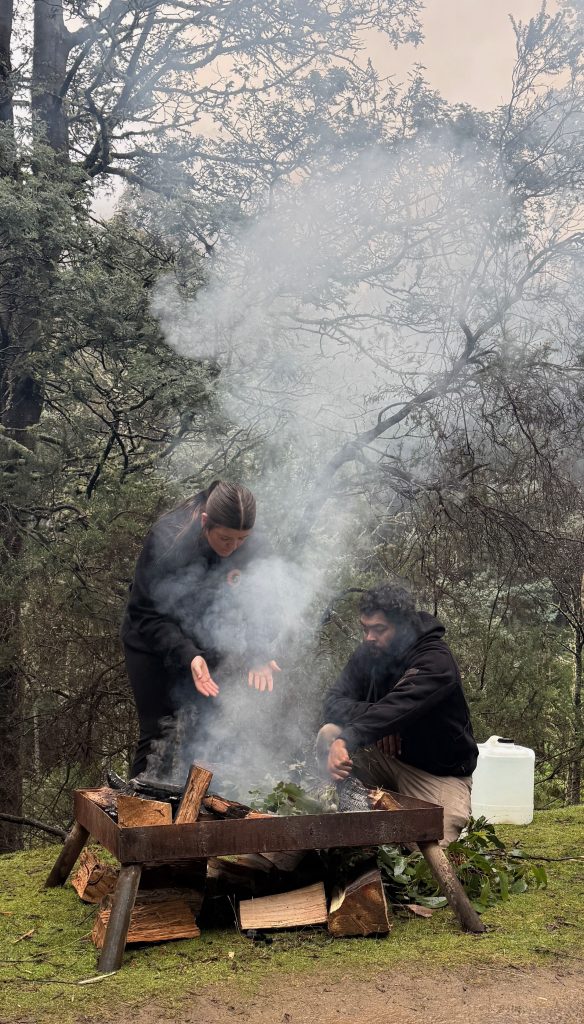
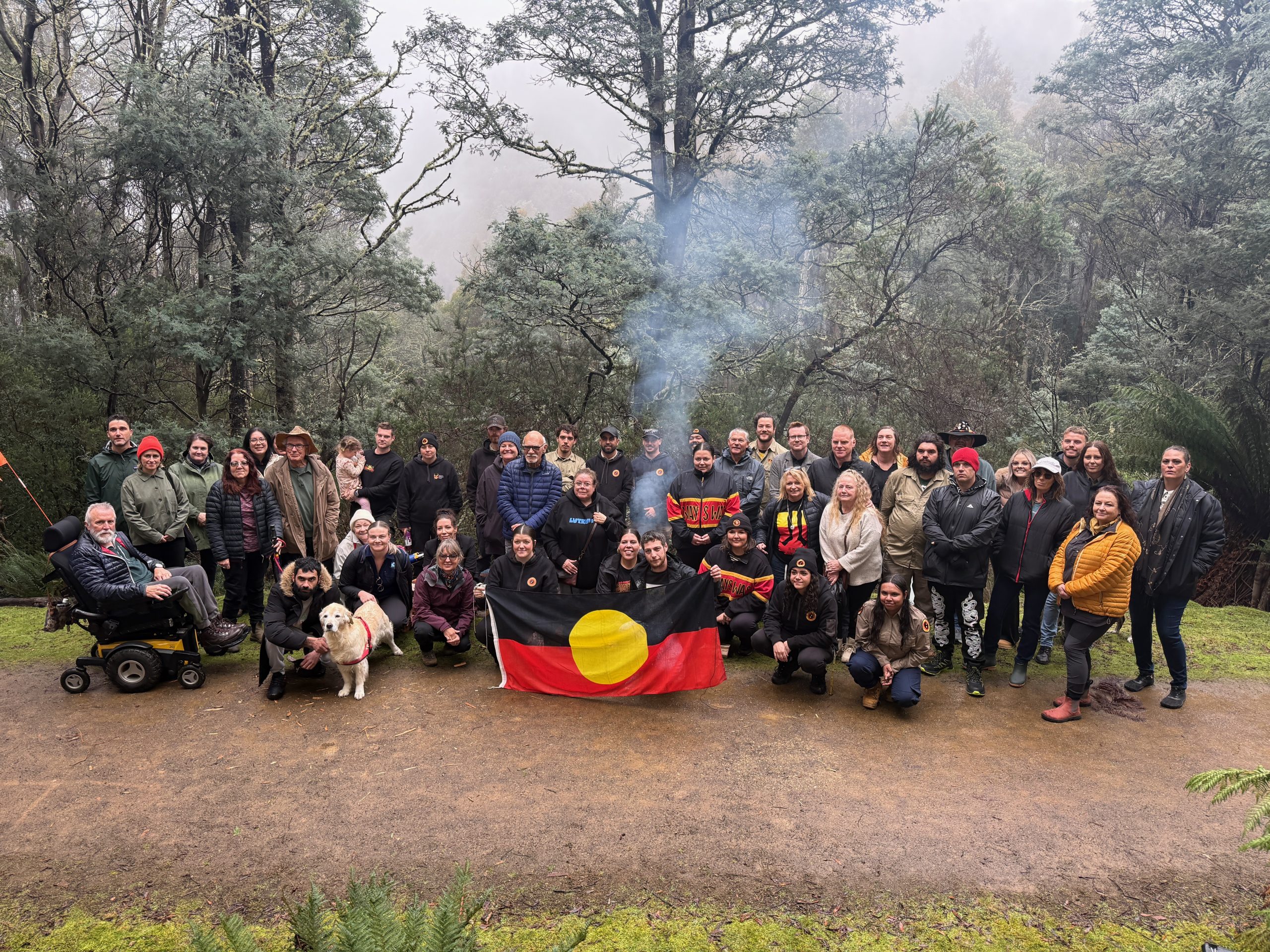
Around 50 people gathered at Collinsvale this week to honour the return of land from private individuals, marking a significant moment in community-led land justice in Tasmania. The event celebrated the formal declaration of three areas of Country as Aboriginal Land, with members of the Palawa community describing the return as deeply meaningful both personally and collectively.
At the Collinsvale gathering, we reflected on the importance of reconnecting with milaythina (Country).
Some of the comments from Community members included:
“It makes me feel better about myself.”
“I feel like I belong and can be on my milaythina (Country) with my family.”
“I think about our old people.”
“It makes my heart sing.”
The sentiment captured the broader significance of the day, as we marked the return of lands at Collinsvale and Loongana in the state’s north-west, and at a small but symbolic site at Mathinna.
Community driving change
The land returns come through private donations and partnerships, highlighting a growing grassroots movement. It has now been more than 20 years since the last land return from the government, prompting renewed calls for official action.
Community leaders emphasised that while successive governments have “sat on their hands,” everyday Tasmanians are stepping up. Donations to our Giving Land Back fund have played a critical role, demonstrating how collective effort can advance land justice.
However, challenges remain. We shared that private donors have faced barriers, including potential impacts on their pensions, and called on governments to remove these obstacles to make returning land easier.
Transforming Country
The return of land will deliver wide-ranging benefits, including legal, social, environmental, and spiritual, not only for Aboriginal people but also for the broader Tasmanian community.
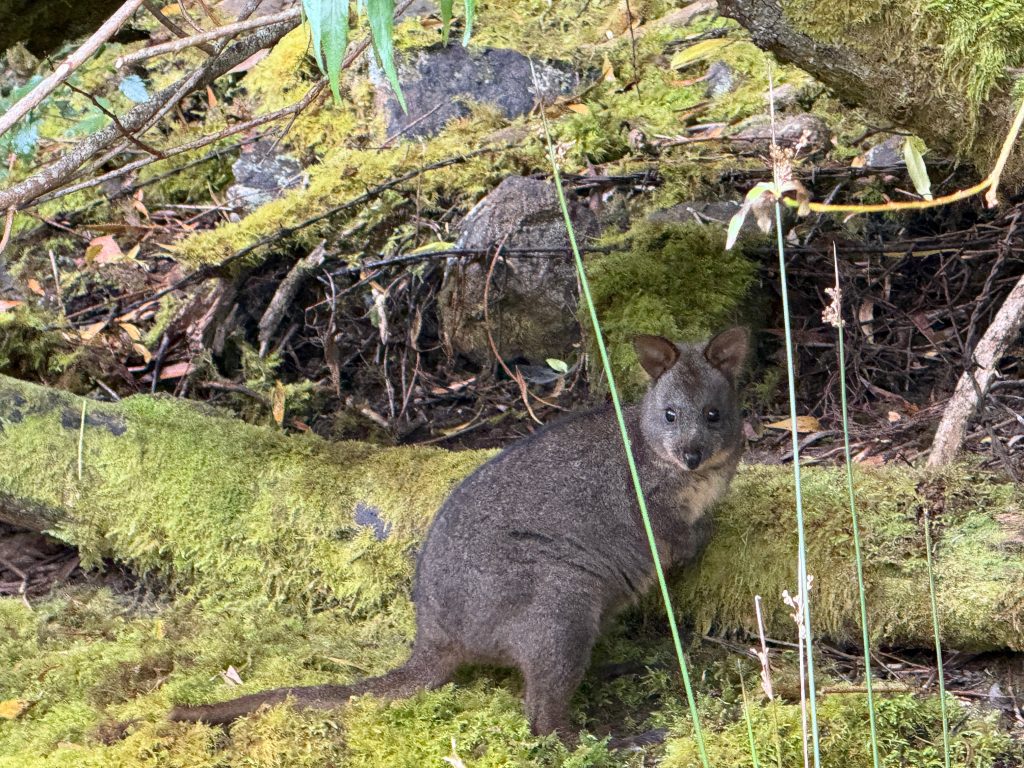
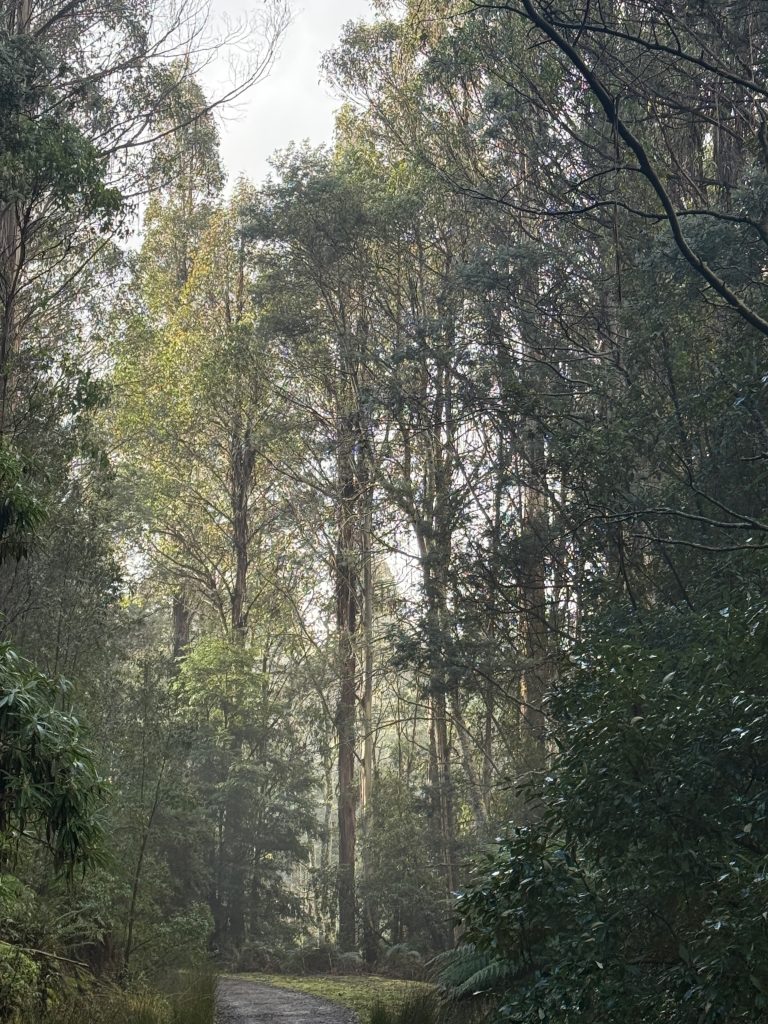
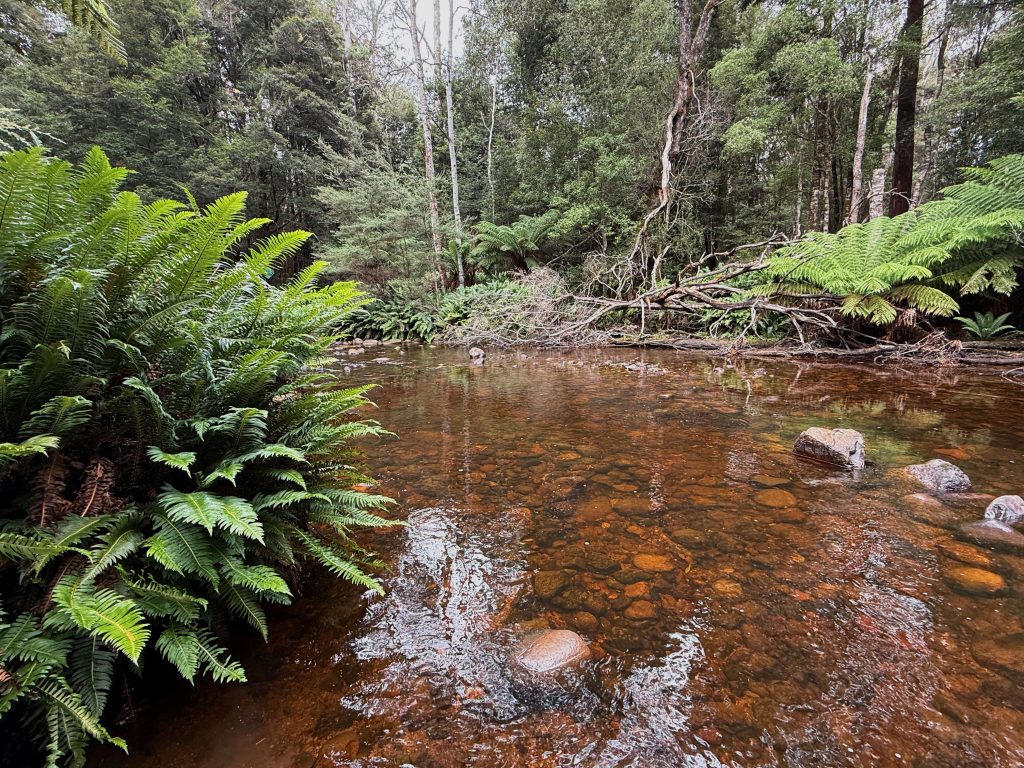
At Collinsvale, Marianne Lovelock has returned 5.5 hectares of land, including Myrtle Forest Creek, inspired by hearing Aboriginal leader Michael Mansell speak during the referendum period. The creek, home to platypus, will be part of a long-term monitoring programme supported by the Derwent Estuary Program, with Aboriginal Rangers and Junior Rangers leading water-quality testing and environmental care.
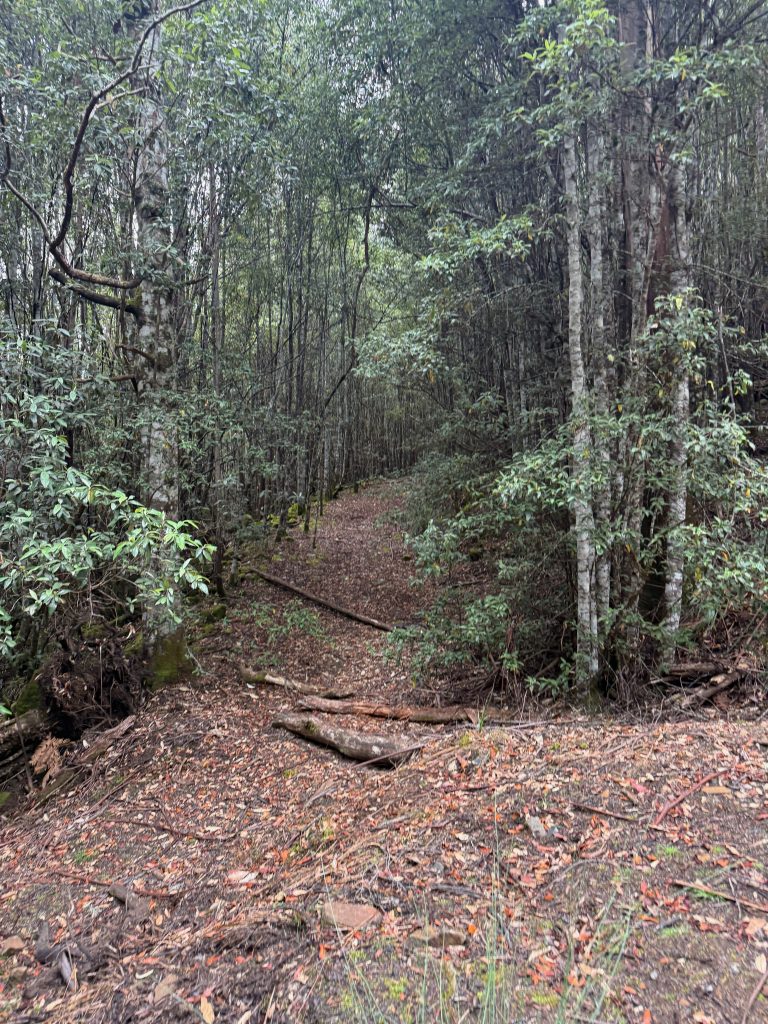
In the north-west, Ian and Barbara Sale have returned 26.8 hectares at Loongana along Dempster Creek. The site protects a diverse ecosystem, including white gum forest and rainforest species such as leatherwood and myrtle, as well as wildlife such as masked owls, grey goshawks, giant freshwater crayfish, Tasmanian devils and spotted quolls. Importantly, the provisions ensure the area remains open for respectful public use, including bushwalking, kayaking, fishing and citizen science.
At Mathinna, a small block of just over 0.1 hectares, donated by Arthur Dimitriou, will support a future destination focused on truth-telling, with plans for interpretive experiences and a native garden.
Donations to the Giving Land Back Fund assist in this land return and transfer. Josh Pringle from Keep Tassie Wild made a significant donation to help acquire the Collinsvale property, enabling Marianne to retain her pension.
Healing and future generations
Central to the vision for all three sites is the concept of Healing Country. Initiatives will include freshwater training, restoration work, and opportunities for truth-telling about Tasmania’s history.
The Tasmanian Aboriginal Centre’s Junior Rangers program will play a key role. Young people will have the opportunity to learn directly from and on their own Country, building knowledge and stewardship for generations to come.
Community members spoke with pride about the program, noting the importance of young Aboriginal people having “unlimited access” to care for and learn from their land.
Partnering with the Derwent Estuary Program for the day enabled us to take a water quality reading to assist in our future monitoring and healthy waterways projects.
The overall message from this celebration was clear. While systemic change is overdue, the community is already leading the way—one return of Country at a time.